Animation of Natura 2000 sites
Five Natura 2000 sites are present in the territory of the Park in part or in full: the Pouge pond, the upper Dronne valley, the Nizonne valley, the Argentine Plateau and the Sandonie valley.
These sites are recognized at the European level for their heritage riches and are therefore identified as remarkable places in the Park for the biodiversity issue. The Park is responsible for the animation of three of them.
Learn more about Natura 2000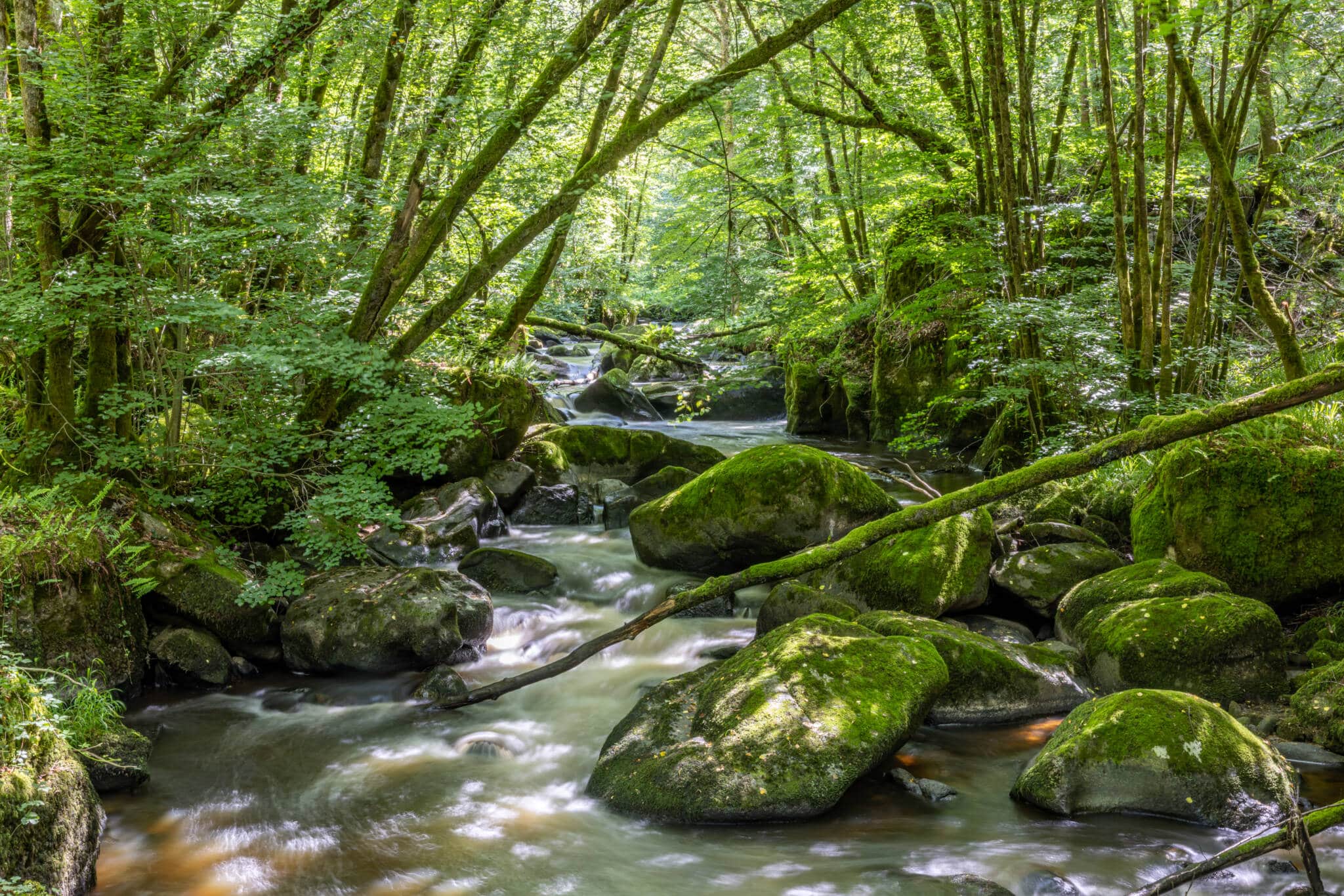

The Haute Dronne hydrographic network
The cool, flowing waters of the Dronne River are home to one of the finest populations of freshwater pearl mussels ( Margaritifera margaritifera ) in France : indeed, 15% of the national population of this species, once characteristic of our crystal-clear rivers but now critically endangered, resides here. The richness of the upper Dronne Valley is also reflected in the presence of numerous species (fish, butterflies, bats, etc.) and natural habitats (wetlands, heaths, deciduous forests, etc.) recognized as being of European Community interest. This heritage has allowed the Dronne and its main tributaries to be included in the Natura 2000 network.
The tools made available through Natura 2000 offer local residents the opportunity to contribute to improving and conserving the condition of the Dronne River and its tributaries through paid management and conservation contracts. The iconic freshwater pearl mussels, as well as all species dependent on good water quality, will benefit.
The Argentine Plateau
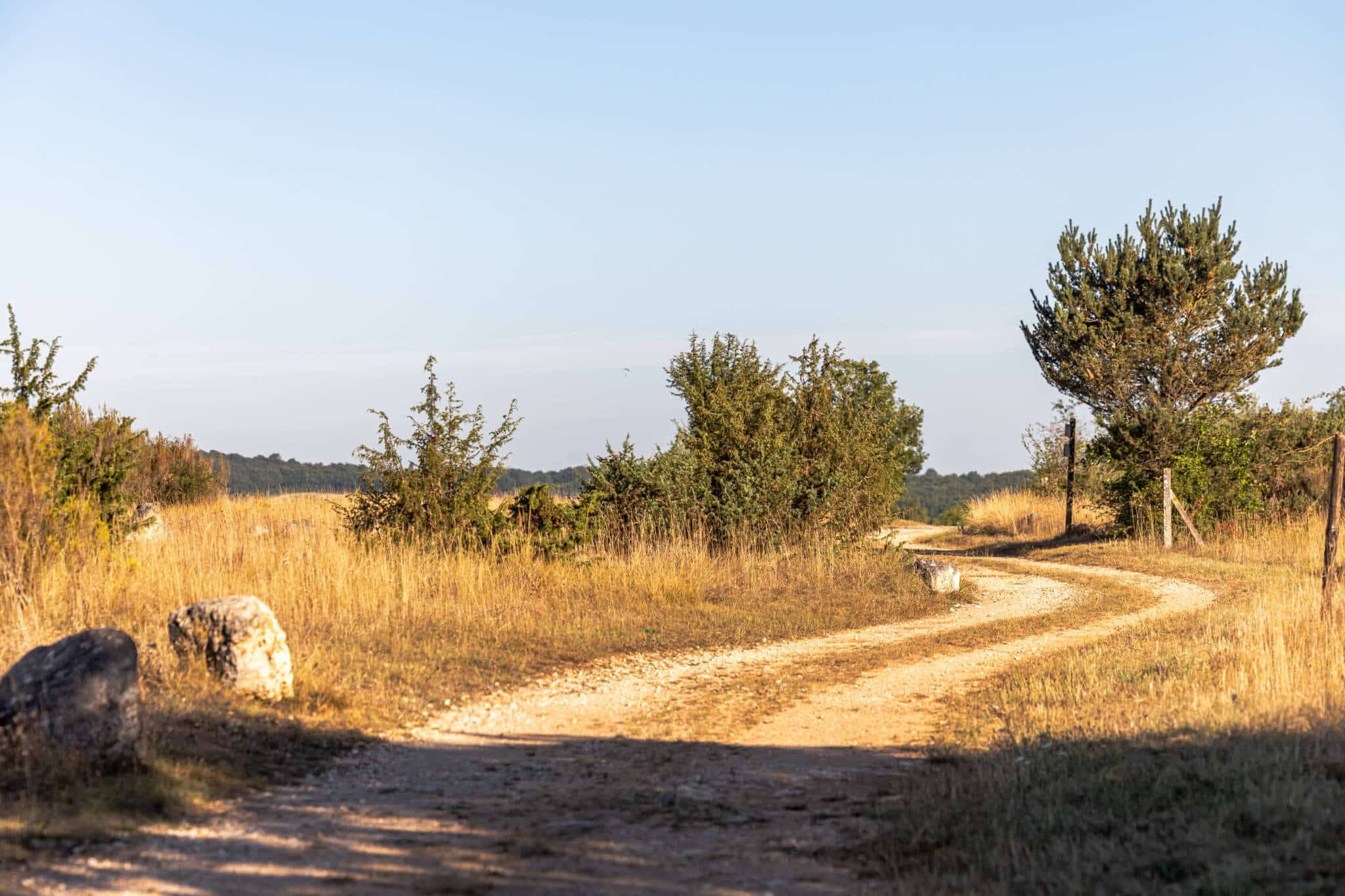
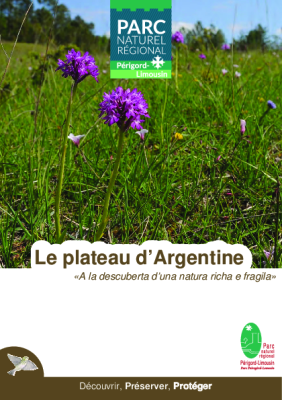
Located in the municipalities of La Rochebeaucourt-et-Argentine and Sainte-Croix-de-Mareuil, the Plateau d'Argentine is considered the most ecologically rich calcareous grassland in the Dordogne . This richness stems from the mosaic of vegetation that thrives there: plants of rocky slabs, dry grasslands, juniper heaths, heather, downy oak forest, and more. The site is home to a diverse array of plant species, including approximately 350 species (24 species of orchids), of which about fifteen are protected. Nearly 200 animal species, 24 of which are of community interest, complete this inventory (Greater Mouse-eared Bat, Woodlark, Ocellated Lizard, etc.).
Reasoned restoration work (logging, brush clearing) accompanied by lawn maintenance through the return of extensive sheep grazing , via the signing of Natura 2000 contracts, constitute management measures that can limit the closure of the environment (colonization by woody plants) and thus ensure the maintenance of the biological richness of the site.
The Nizonne Valley
With 14 natural habitats and 21 species protected under the Habitats Directive, the heritage value of the Nizonne Valley, also known as the Lizonne Valley, is undeniable. This valley is distinguished by its diverse aquatic habitats, wetlands, and habitats on limestone hillsides , as well as by the presence of the elusive European mink (Mustela lutreola), one of the world's most endangered mammals. It is therefore quite natural that this valley has been included in the Natura 2000 network.
A range of tools are available to preserve this biodiversity: Agri-Environmental Measures for farmers, Natura 2000 contracts for forest owners, individuals, or local authorities, as well as the Natura 2000 charter for the site. By signing a contract, they commit to the effective implementation of these measures in exchange for financial compensation.

Your contacts at the Park
Cédric Devilléger
Natura 2000 Project Manager (Upper Dronne and Argentine Plateau)
c.devilleger@pnrpl.comFinancial partners