Meeting with the town hall secretaries
In early November, the Périgord-Limousin Regional Natural Park organized, for the first time, a series of meetings dedicated to the town clerks of the region. Around thirty participants attended these new information workshops, designed to raise awareness of the Park's role and activities.
Strengthening ties with municipalities and residents
The Regional Natural Park is first and foremost a team dedicated to the ecological transition of the region. It makes its expertise available to local authorities and residents alike, on a wide range of topics. However, it is essential that everyone is aware of the support available. This is why the Park is currently strengthening its communication efforts and seeks to build relationships with new local partners.
In a rural area like Périgord-Limousin, town hall secretaries and reception staff play an essential role : organizing community life, providing practical and tourist information, advising residents, maintaining civil records… Their versatility makes them valuable information relays, both for elected officials and for the population.
Aware of this role, the Park organized information sessions to enhance their understanding of its activities. This is especially important as the municipal elections approach: while elected teams may change, town clerks ensure essential continuity in the relationship between the municipalities and the Park. Four information sessions were therefore offered across the territory – in Nontron, La Coquille, Saint-Mathieu, and Gorre – to allow as many people as possible to participate.
Presenting the Park in a fun and educational way
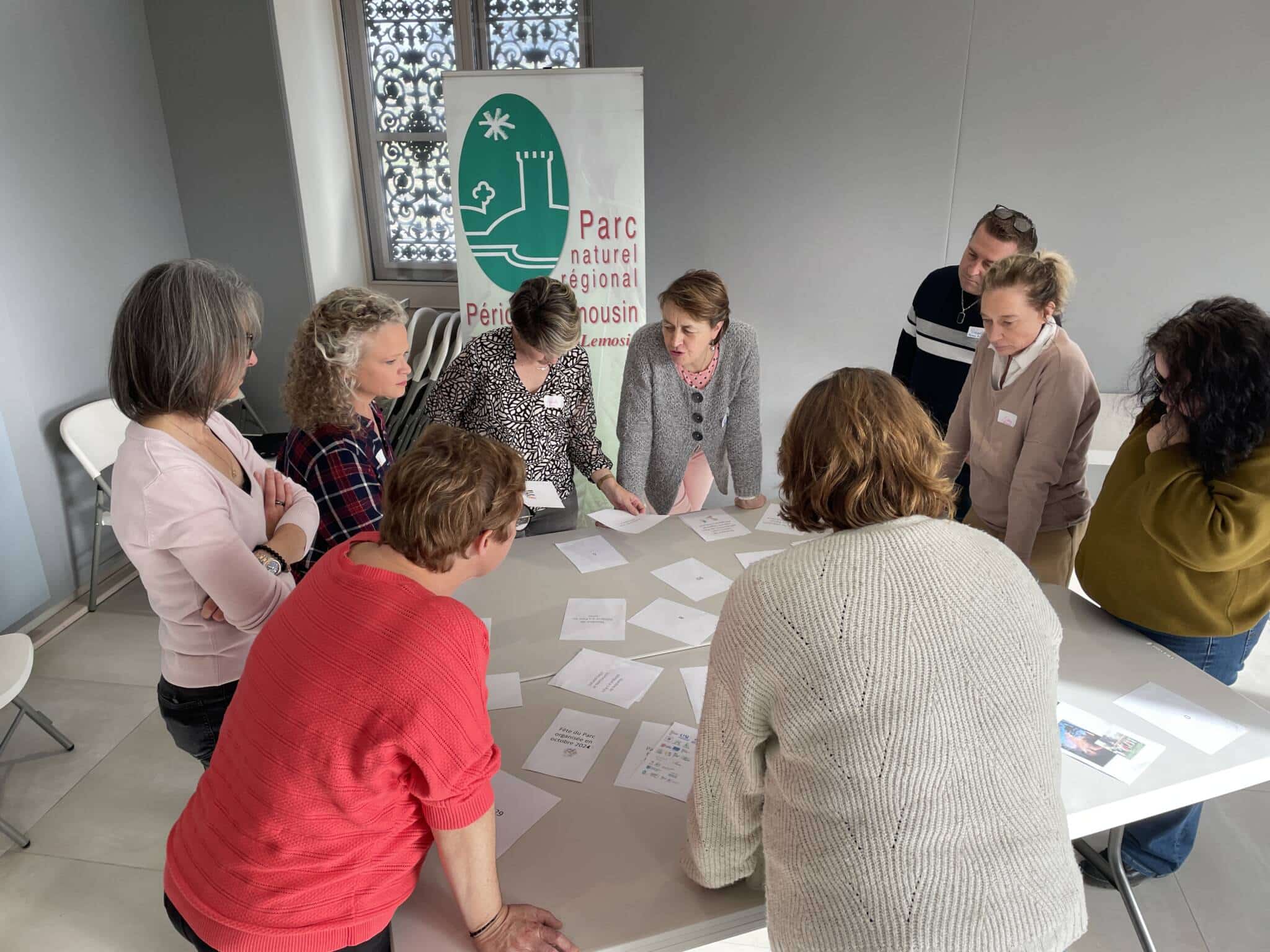
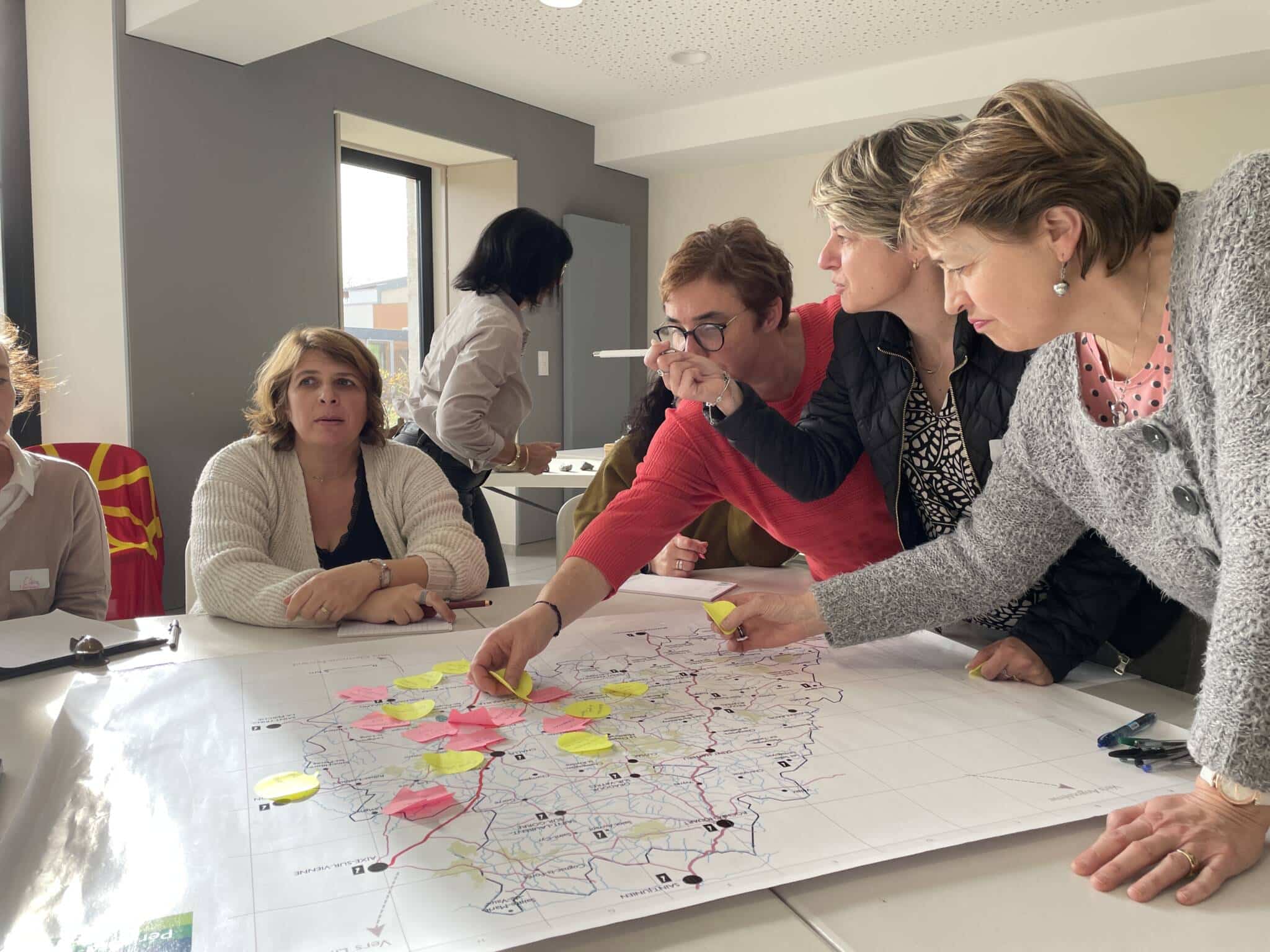
To encourage interaction and make information accessible, the Park opted for a friendly format, a departure from traditional training sessions. The meetings began with introductions and a simple exercise: participants located their municipality on a map of the Park. This visual and interactive approach highlighted the vastness of the territory , which encompasses 75 member municipalities and 6 gateway towns.
A subsequent "pairing" workshop helped to re-establish the fundamentals of how a Regional Natural Park , and more specifically the Périgord-Limousin Park, operates. By collectively matching pairs of information, participants were able to identify the year the Park was created (1998), the number of local elected officials delegated to the Park (131), and the number of Park staff (30). This session also served as an opportunity to reiterate that a Regional Natural Park does not have regulatory power—unlike a National Park—and operates primarily through raising awareness, providing guidance, and persuading others.
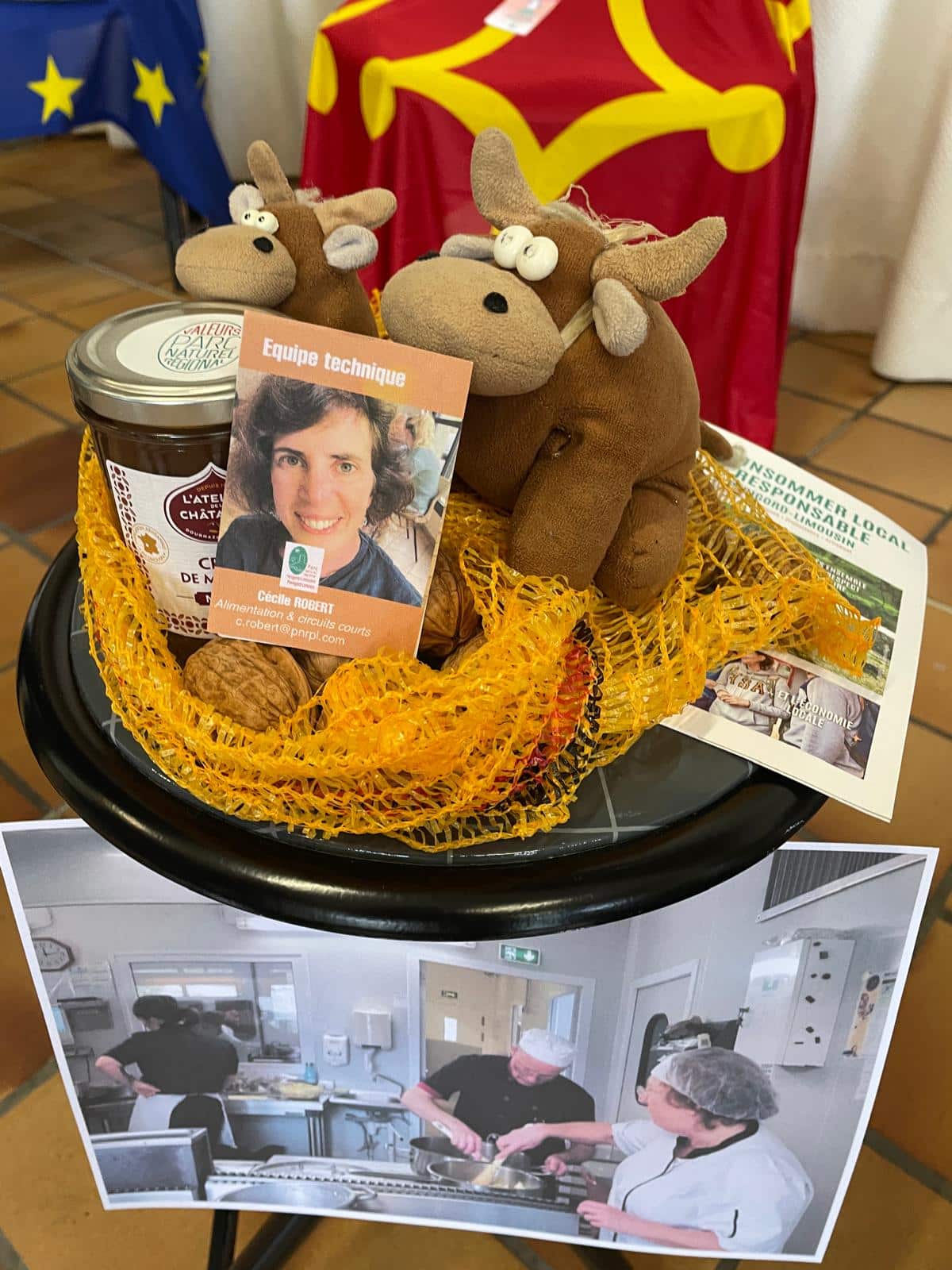
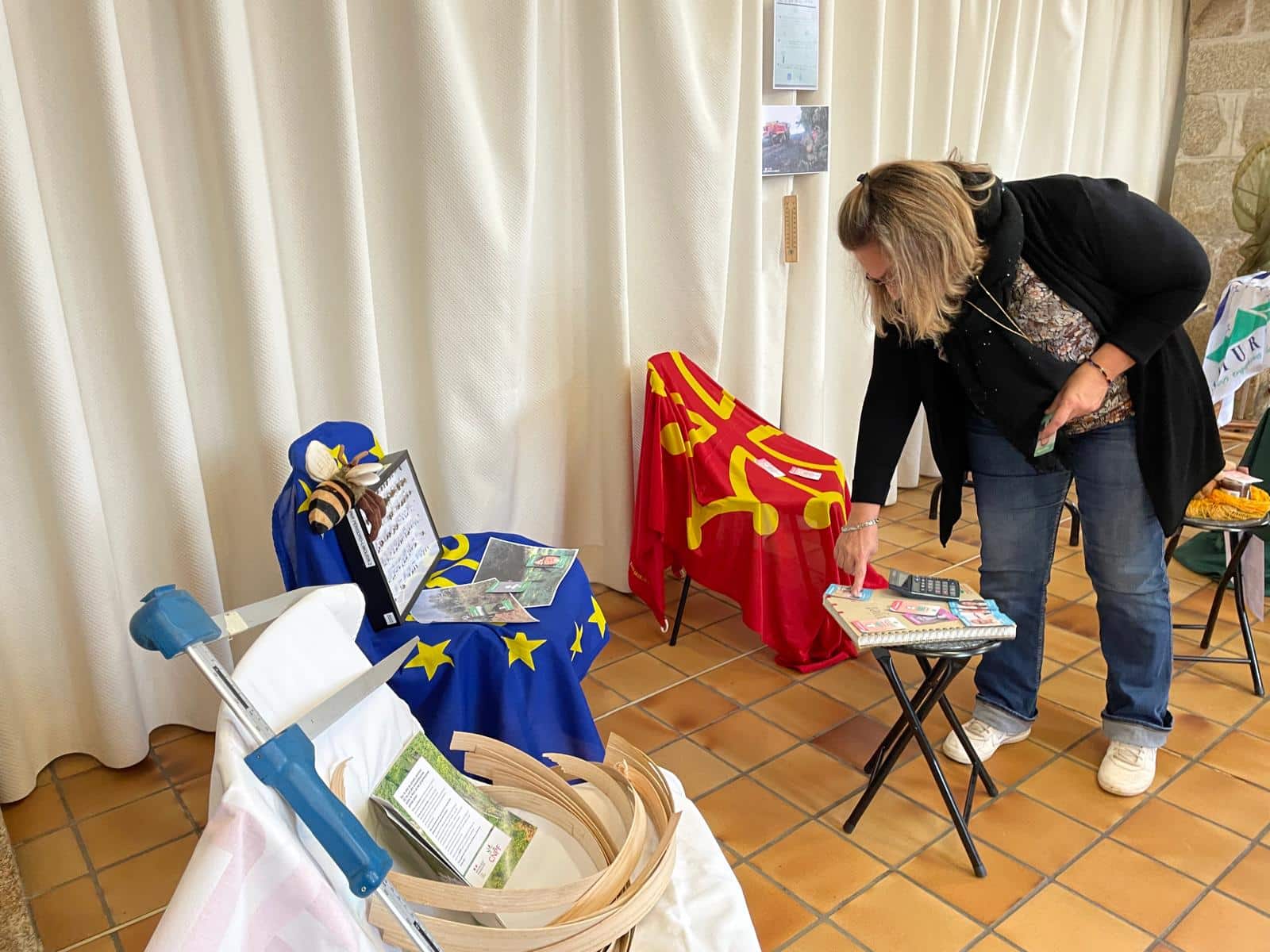
The second workshop invited participants to explore a "library of objects" representing the Park's missions: water management, biodiversity, built heritage, culture, climate change adaptation, the nocturnal environment, and more. This concrete and visual approach illustrated the diverse support provided to municipalities, professionals, and individuals. This session also provided an opportunity to demonstrate, through very specific examples , the work of the Park's technical team and to introduce the staff who carry it out.
With over a third of the municipalities represented, this first edition proved to be a resounding success. The particularly enthusiastic feedback confirms the relevance and usefulness of this initiative. The Park is therefore planning to repeat the event in 2026 for secretaries who were unable to participate this year. It is also considering offering this type of workshop to other audiences, in order to further strengthen awareness and understanding of its missions throughout the region.