A study to highlight the impact of light pollution on bats
For several months, the Périgord-Limousin Regional Natural Park has contributed to a study carried out by the Massif Central parks, focusing on the impact of light pollution on bats (commonly called “bats”). The project, led by IPAMAC (InterPArc du MAssif Central), invites us to rethink our behavior to ensure the preservation of these mammals.
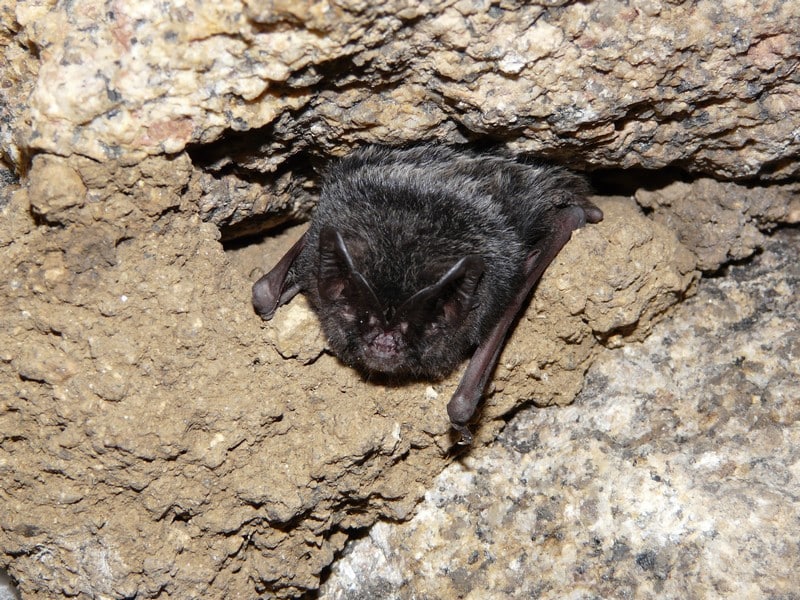
Discreet and sometimes unloved, bats nevertheless remain an essential link in biodiversity. France today has 35 species of these flying mammals, all protected. In New Aquitaine, 26 of them are present. But what are the effects of artificial light on these nocturnal animals? This is what 6 regional natural parks are seeking to know today through a study carried out in the Massif Central (Périgord-Limousin, Haut-Languedoc, Causses du Quercy, Grands Causses, Millevaches en Limousin and Monts d'Ardèche ).
Sound recordings
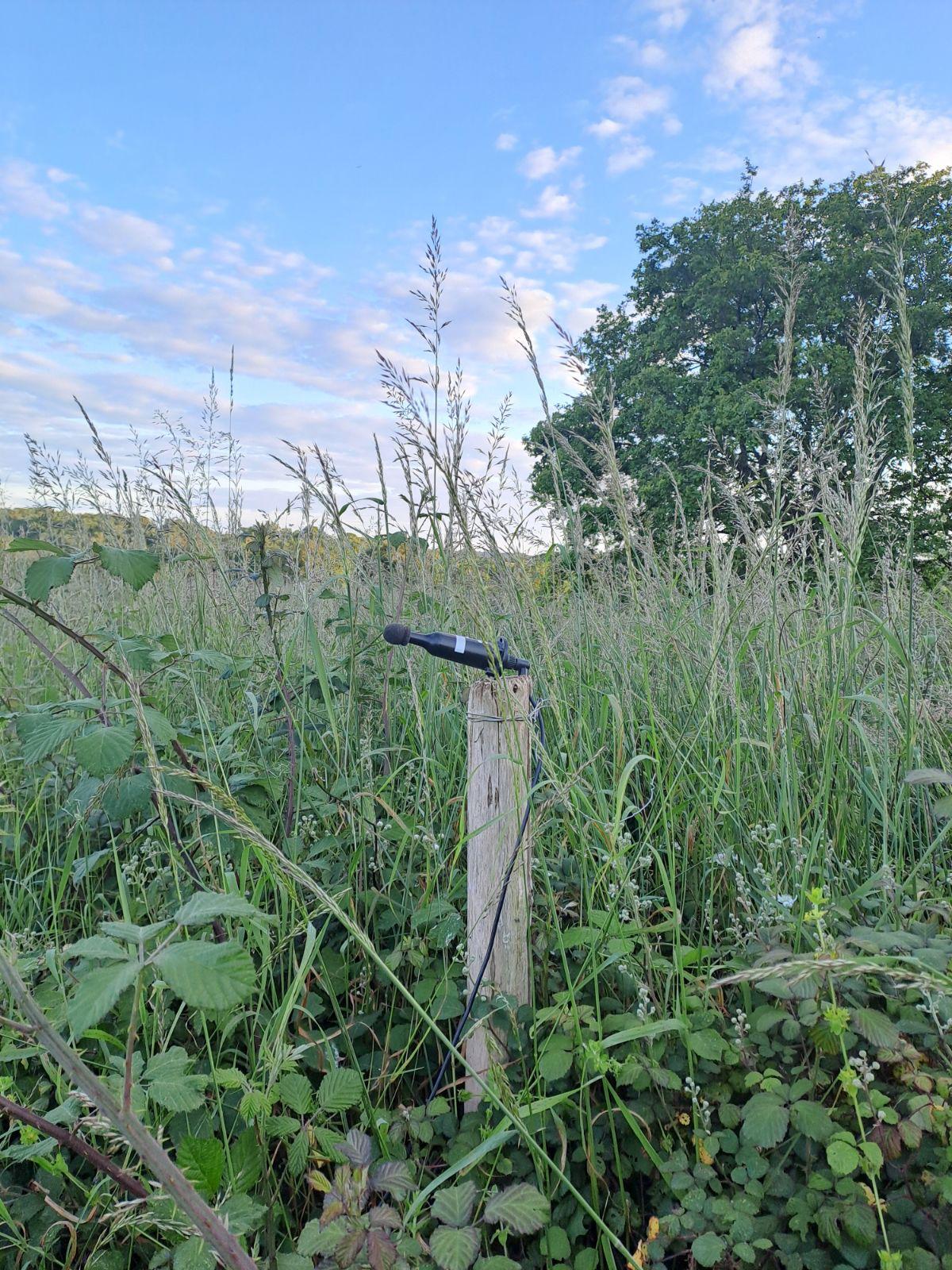
Since the end of May, naturalist monitoring dedicated to the issue has therefore been underway, particularly in our territory. To do this, microphones sensitive to the ultrasound emitted by the bats are installed every evening by Park agents. These microphones thus capture up to 10 hours of soundtrack, rich in lessons.
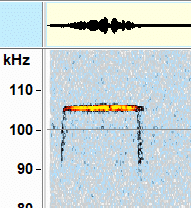
Indeed, once the data has been processed electronically, their analysis makes it possible to identify the species present that night, thanks to the shape of the calls on the sonogram (comma, mustache, straight line, etc.). The results also provide information on bat activity at the recording location (number of passages, hunting activity, etc.).
The impact of light
The purpose of the study being to analyze the effects of lighting on bats, two main criteria are taken into account in the choice of inventoried sites: the method of extinction of light sources (total extinction, partial extinction , no extinction) and the type of environment (urban, forest, aquatic, agricultural, etc.). Carrying out sound recordings in these different situations makes it possible to compare the results with each other, to observe the existing links between lighting methods and the more or less strong presence of species and to conclude the most favorable situations.
90 sites (45 tests and 45 controls), located in 15 municipalities were therefore selected for this study, with recordings underway in Mareuil in Périgord, La Coquille, Cheronnac, Cussac, Rochechouart, Saint-Cyr and Saint-Estèphe in particular.
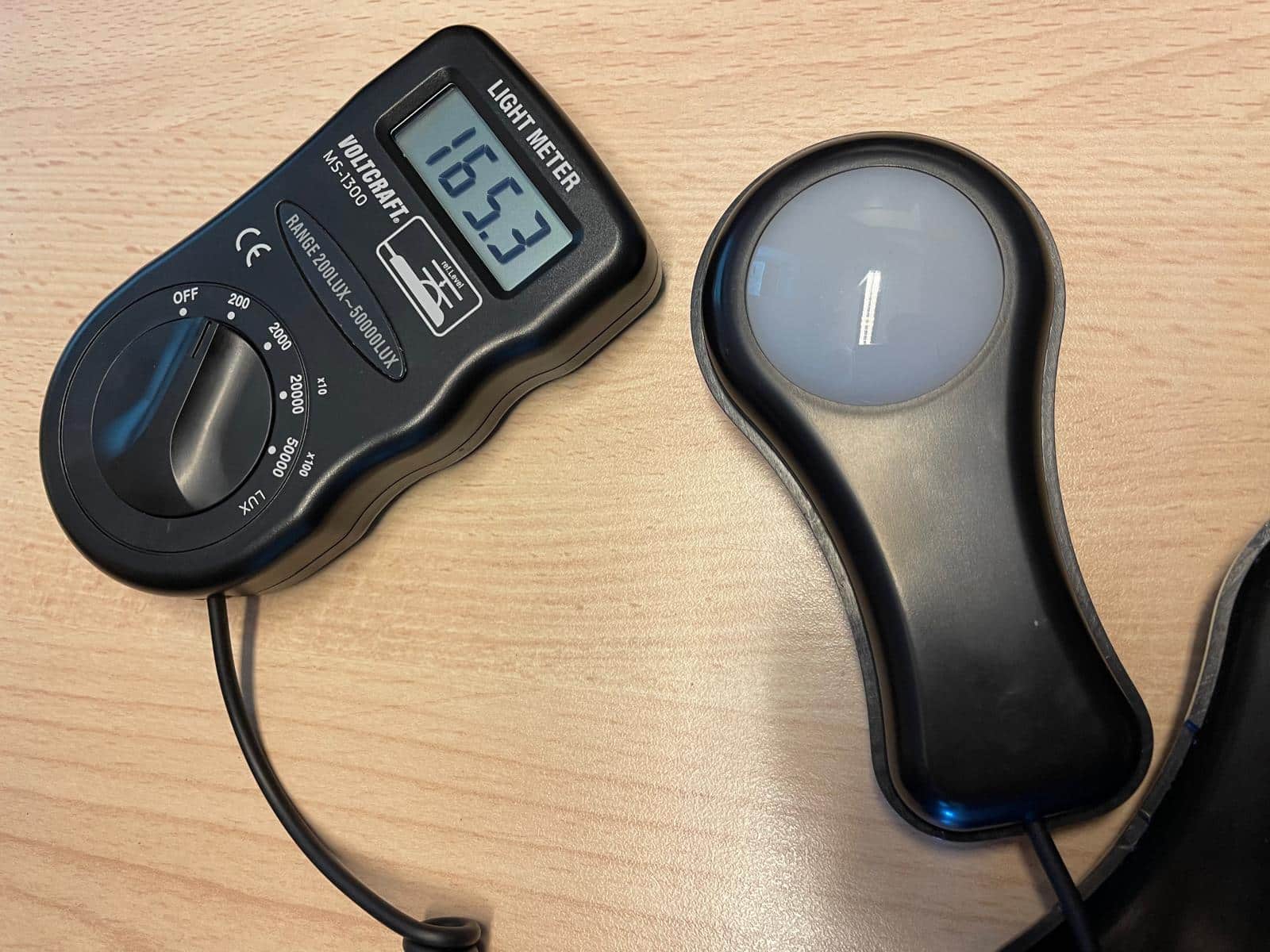
Furthermore, in order to supplement the information at their disposal, the agents equip themselves with light meters to measure the illuminance when installing the microphones.
Re-enchant the night
This monitoring is also an opportunity to raise awareness among residents of the importance of nocturnal biodiversity and the impacts of artificial lighting on their environment. In a general context of climate change and erosion of biodiversity, re-enchanting the night appears as a necessity allowing both to move towards greater energy sobriety and to preserve species threatened by light pollution.
It is with this in mind that the PNR Périgord-Limousin is working to establish a dark network* on its territory and a candidate for the International Dark Sky Reserve (RICE) label.
A partnership study
Instigated by IPAMAC, the study benefits from the support of the Asselia design office. Many other partners are associated with the process, notably the energy unions which provide data on public lighting. Furthermore, the PNR Périgord-Limousin was able to count on the material support of the LPO, in order to obtain the recorders necessary for this study.
* Black frame: Spatial continuity characterized by a certain darkness and used by nocturnal species.